Back
Effective Study Techniques for Primary and Secondary Students
Explore practical strategies to help primary and secondary students study smarter, retain knowledge, and perform better.
Most students already work hard — the problem is rarely effort. What separates a stressed learner from a confident one is method. The right techniques help information move from short-term cramming into long-term understanding, so that what is learned in Primary 5 still holds up in Secondary 3. Below are the study habits we teach at Heuristics Hub, chosen because they are simple enough for a child to run on their own.
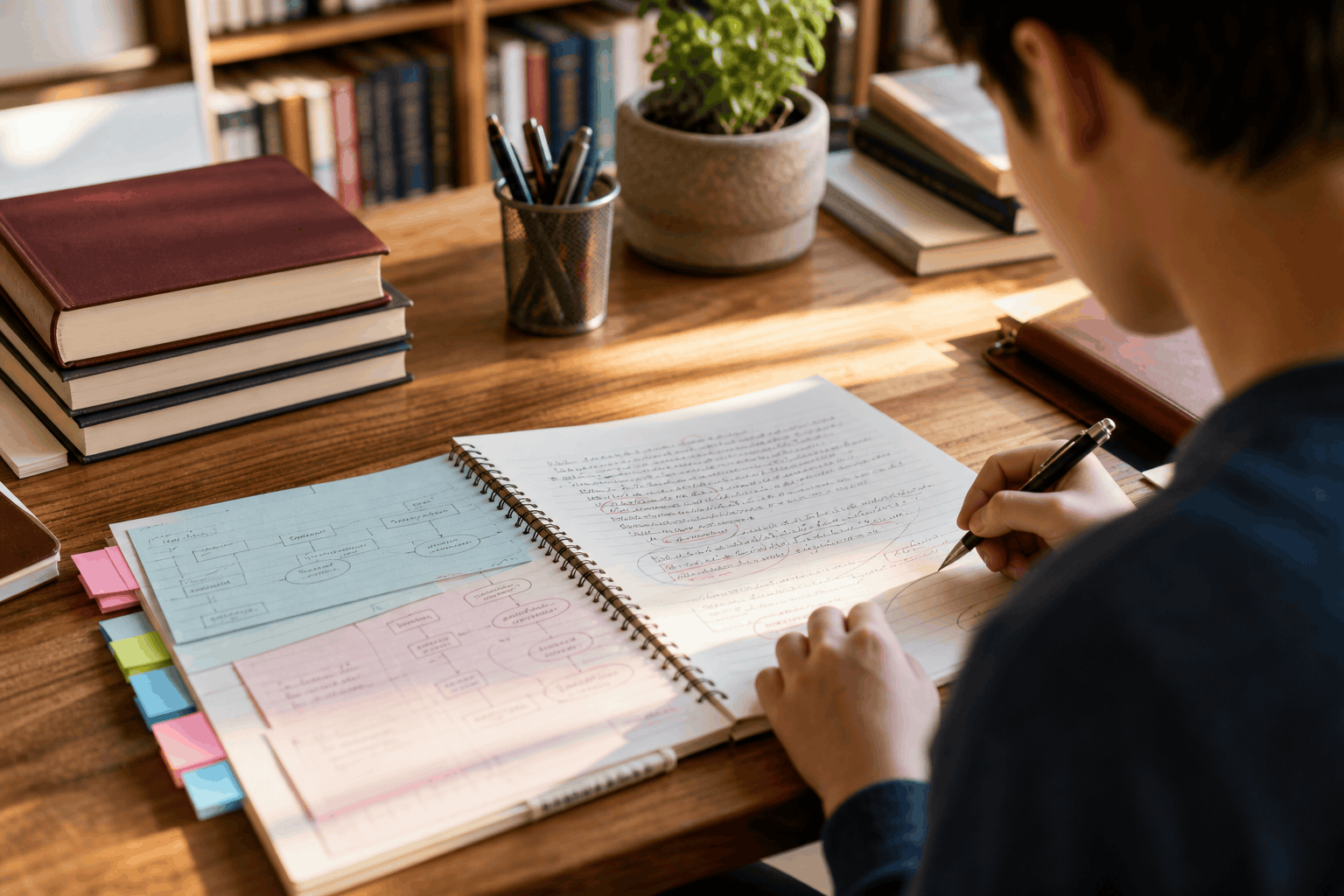
Re-reading notes feels productive, but it mostly builds familiarity, not memory. Active recall — closing the book and trying to write down everything you remember — forces the brain to retrieve, and retrieval is what makes knowledge stick. Encourage your child to turn each topic into a few questions and answer them from memory before checking. The moments where they get stuck are exactly the gaps worth revising.
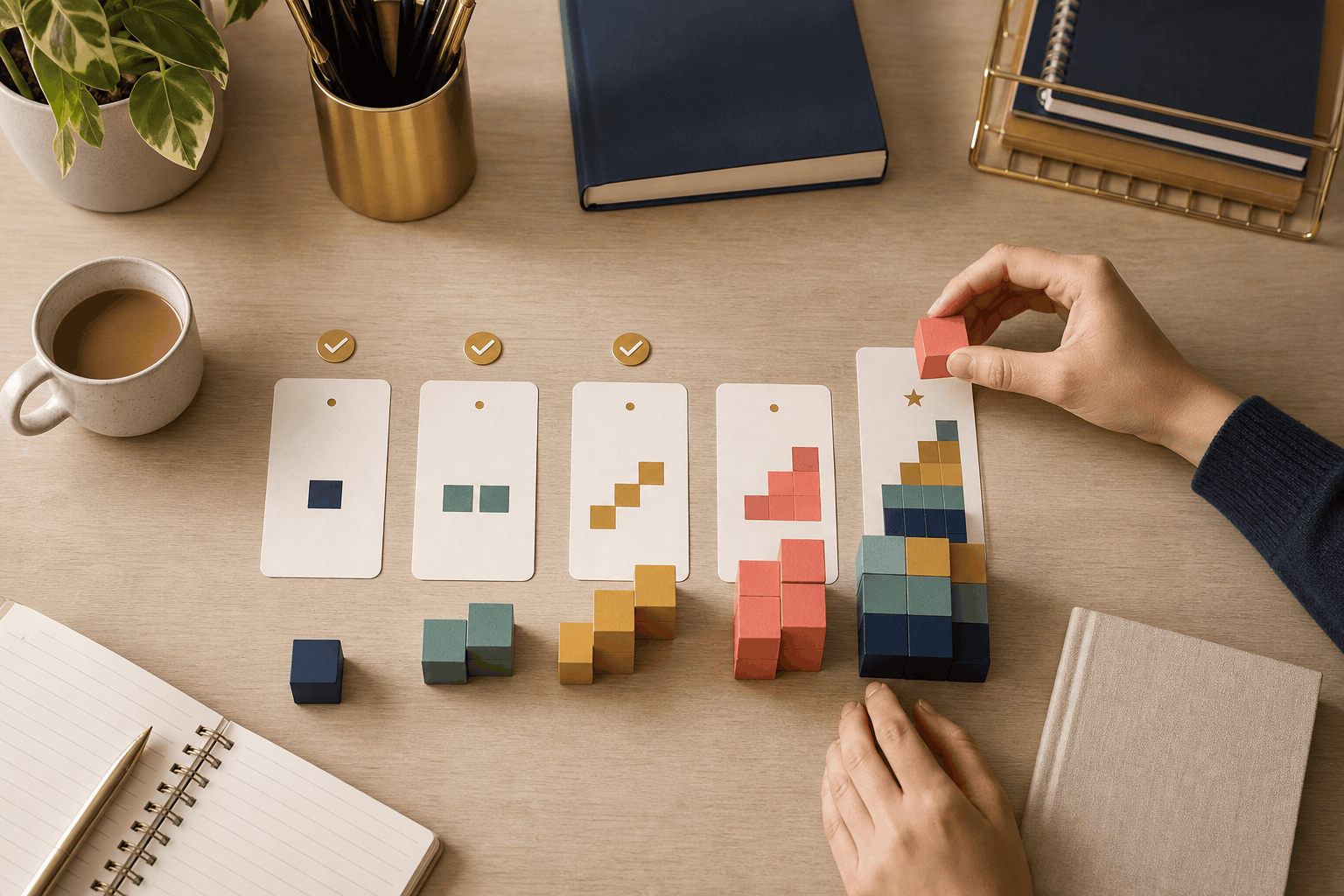
Ten minutes of review across five days beats a single fifty-minute block the night before. This is spaced repetition, and it works because a little forgetting between sessions strengthens the memory when it is recalled again. A light weekly cycle — revisit Monday's topic on Wednesday, then again on Saturday — keeps material fresh without long, draining study marathons.
For subjects like Maths and Science, memorising steps without understanding them collapses the moment a question is worded differently. We ask students to explain a concept out loud in their own words, as if teaching a younger sibling. If they can teach it simply, they understand it. If they stumble, that is the signal to revisit — not to memorise harder.
Attention is the real currency of studying. A 25-minute block with the phone in another room produces more than an hour of distracted, notification-interrupted work. Short focused sprints with brief breaks keep the mind fresh and make progress visible, which in turn keeps motivation up.
The goal is not a perfect study plan; it is a consistent one your child can actually keep. Start small, stay regular, and let the results build confidence. Studying smarter is a skill — and like any skill, it improves with steady, guided practice.